AI Translated from Chinese
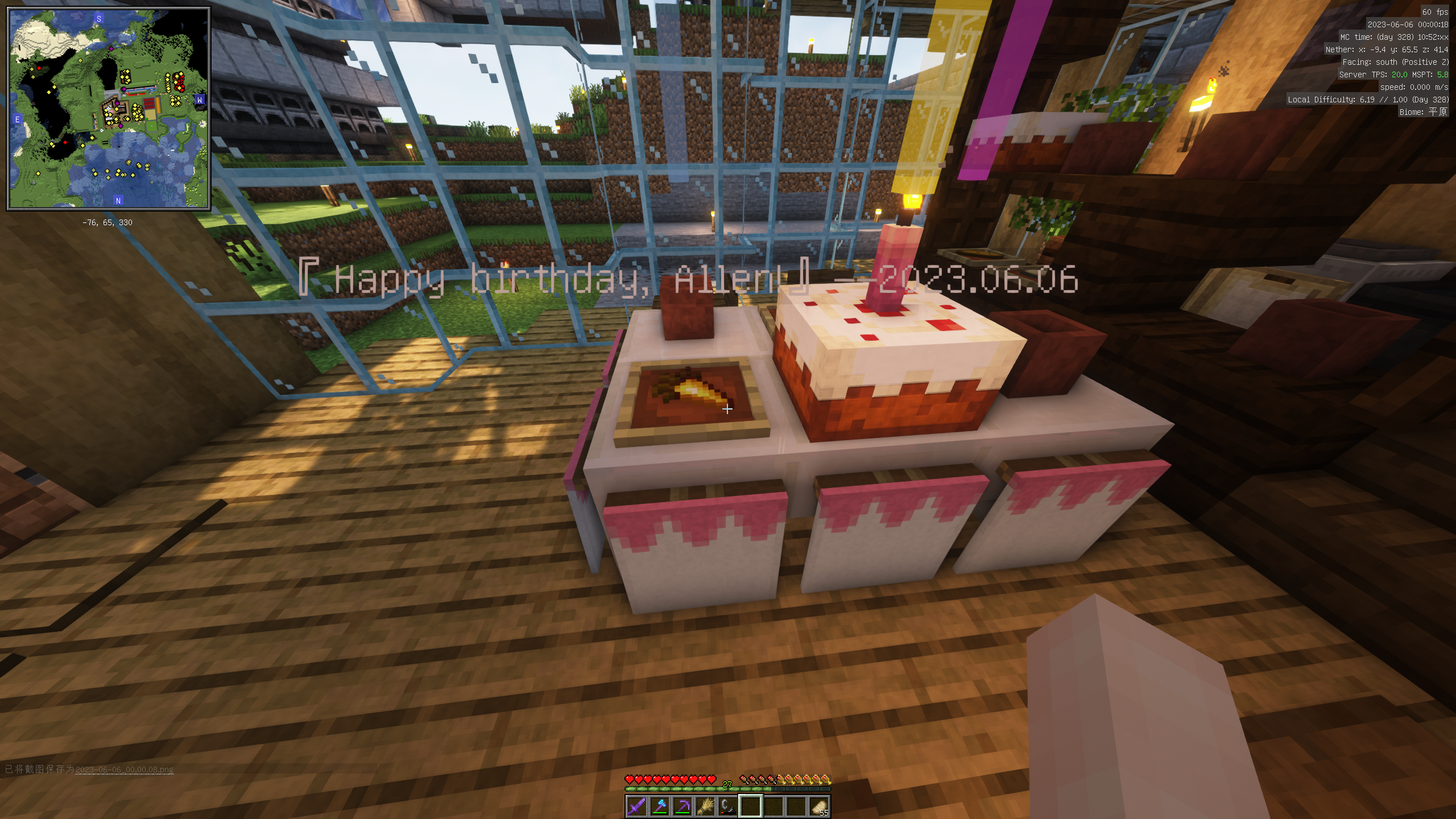
The term “sense of ritual” is by no means unfamiliar to everyone. It can manifest in saying “itadakimasu” before a meal, in celebrating with a small barbecue after passing an exam, or in a candle on a birthday cake… These are all expressions of ritual. However, I believe there are many people who live without any sense of ritual, and I am one of them.
Let me make my stance clear first: having no sense of ritual is not a pejorative adjective; the word itself is neutral, and it’s irrational to view it with excessive bias. I won’t waste words on the unnecessary, so let’s transition directly to the main text.
What is my life without rituals like? I remember my own birthday, but if others don’t take the initiative, I don’t feel any need to celebrate. I won’t post on social media and will keep my original daily routine; New Year’s has no festive atmosphere at all; if elders in the family don’t organize the New Year’s Eve dinner preparations, eating takeaway or instant noodles is perfectly acceptable — it’s just a longer vacation; for achievements I’ve made, regardless of size, I’m completely indifferent, with no desire to celebrate. For example, getting into a 985 university after the college entrance exam feels as ordinary as drinking water or eating a meal, with no excessive emotional fluctuation.
Having said that, yes, rarely having emotional fluctuations is both a manifestation and a cause of lacking a sense of ritual. There may be too many things in life that divide our emotions: heavy coursework, trivial work, complex interpersonal relationships — all of these consume our emotions, leaving people in a long-term “burn out” state. Appearing neither joyful nor sad, in reality, emotions are exhausted and there’s no energy to react.
The significance of festivals and birthdays isn’t about having a grand spectacle or luxurious experience; it’s about finding a time and a reason to enjoy life, giving both body and mind a break. In other words, its essence isn’t indispensable. If a person has their own reasons and time to find happiness in ordinary days, the ordinary world doesn’t lack festivals belonging only to them.
The greatest sorrow in life is “what was once beloved becomes a relic in the blink of an eye.” All happiness has an expiration date, and the existence of “sense of ritual” is more like a reminder for us to pay attention to this happiness, to enjoy it, not to live like an ascetic, self-torturing while telling ourselves this is fate testing us for great responsibility. When life gives you joy, indulge in it; don’t let the wine cup face the moon empty. Spending money brings its own happiness, and not spending money has its own happiness. The meaning of happiness is to bring joy to people and forget temporary worries. “I have no money” and “I have no time” are never excuses for refusing to feel joy. Reading a book can bring happiness, contemplating philosophy can bring happiness, watching a comedy can bring happiness, eating a good meal can also bring happiness.
Life is short, only a hundred years at most. A life intertwined with happiness and sorrow is the main theme for most people in this world. Happiness without pain is not true happiness; pain without happiness is not true pain. Everyone has physical shackles, but the shackles of the heart are not controlled by others. The joy of “indulging in external things” can indeed be found.
Best regards, see you.
Personal Touch